
Why Nutrition Matters in Recovery
Recovery from illness, injury, or surgery involves so much more than medical treatment and therapy alone. Good nutrition plays a vital role in helping the body heal, regain strength, and support overall rehabilitation outcomes. This is where the dietitian becomes such an important member of the rehabilitation team.
As Lead Dietitian at Faircape Health Institute, Toni Smyth has seen first-hand how significantly nutrition influences a patient’s recovery journey.
“Nutrition is not an afterthought in rehabilitation. It is one of the foundations that everything else is built on,” she explains. “When a patient’s nutritional needs are not being met, even the best therapy can only do so much.”
How the Body’s Nutritional Needs Change During Rehabilitation
During rehabilitation, the body’s nutritional requirements are often significantly increased. Adequate energy and protein are essential for wound healing, maintaining muscle mass, supporting the immune system, and providing the fuel needed to participate fully in therapy sessions. When those needs go unmet, recovery can slow and daily rehabilitation goals can feel that much harder to reach.
“The body is working incredibly hard during this period,” says Toni. “It needs the right building blocks to repair tissue, rebuild strength, and sustain the energy required for therapy. That is why we take each patient’s nutritional status so seriously from the moment they arrive.“
Personalised Nutrition Plans: One Size Does Not Fit All
A dietitian assesses each patient’s nutritional status, medical condition, eating habits, and individual needs. From there, personalised nutrition plans are developed to ensure each person receives the right nutrients to support their recovery.
This may include modifying food textures for patients experiencing swallowing difficulties, carefully managing dietary requirements related to conditions such as diabetes or kidney disease, or recommending nutritional supplements when a little extra support is needed.
“Every patient comes with a completely different picture,” Toni explains. “Someone recovering from a stroke has very different nutritional needs to someone who has just had orthopaedic surgery. That is why we never take a generic approach. Every plan is built around the individual.“
Supporting Patients and Families Beyond the Facility
Nutrition support at Faircape Health Institute does not stop at the patient. Dietitians work closely with families to offer practical, compassionate guidance on meal planning, healthy eating, and strategies for navigating common challenges such as poor appetite, unintended weight loss, or the adjustment of preparing meals independently after discharge.
“Discharge can feel like a significant transition,” says Toni. “We want patients and their families to feel confident and equipped to continue eating well at home, because the nutritional work we do together does not stop when someone leaves our facility.“
Nutrition and Therapy: Two Sides of the Same Recovery
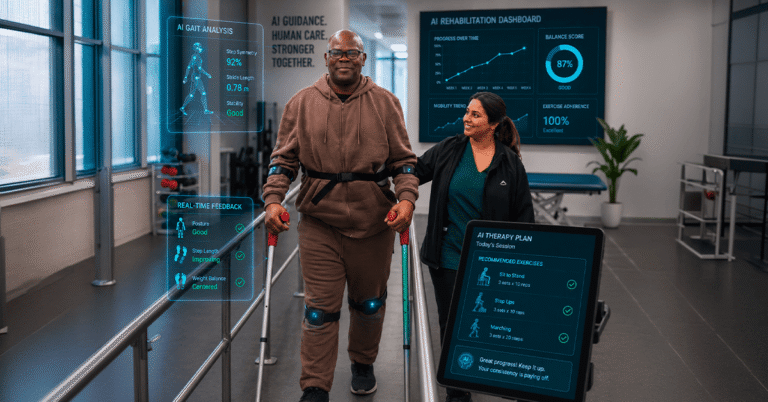
In a rehabilitation setting, nutrition and therapy go hand in hand. By ensuring nutritional needs are met, dietitians help patients build strength, maintain independence, and improve their quality of life – whether they are recovering from a stroke, spinal injury, orthopaedic surgery, or a prolonged illness.
Eating well is an essential part of healing.
“I am here to guide and support patients every step of the way,” says Toni. “Good nutrition is not complicated. It is consistent, personalised, and it makes a real difference.”
Toni Smyth is the Lead Dietitian at Faircape Health Institute. With over 15 years of experience and a presence at the Institute since its opening, Toni builds sustainable, patient-specific nutrition plans that truly work.