
When a patient is admitted to a physical rehabilitation facility, it is rarely the beginning of their story.
There has usually been an acute hospital admission. A crisis. A surgery. A sudden diagnosis. A family scrambling to understand what has happened and what comes next. Decisions are made quickly. Emotions run high. Information is shared in fragments.
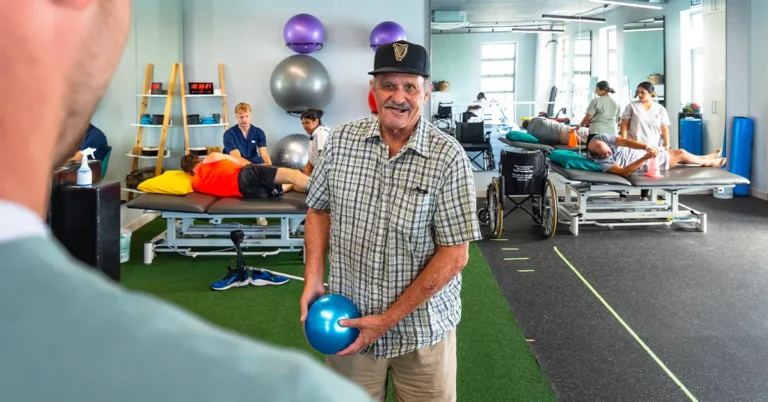
By the time a patient arrives at Faircape Health’s physical rehabilitation facilities in Cape Town, they are often exhausted, both physically and emotionally. Their family may feel overwhelmed. This is not the time for support to restart from scratch.
This is where collaborative social work becomes essential.
As a social worker in private practice providing services at Faircape Health, one of the most important parts of our role is building and maintaining professional relationships with other social workers across the healthcare system. These relationships allow us to create continuity, avoid duplication, and ensure that patients and families feel supported throughout their journey.
Rehabilitation Is a Continuum, Not an Isolated Event
Healthcare can easily become fragmented. Acute hospitals focus on stabilisation and discharge planning. Rehabilitation focuses on recovery and functional independence. Community services focus on long term adjustment and sustainability.
Each setting has its own pressures, priorities, and timelines.
From a psychosocial perspective, however, these phases are deeply connected. Emotional processing does not happen neatly within institutional boundaries. Family systems do not reset at discharge. Practical challenges such as finances, caregiving capacity, and role changes evolve over time.
When we collaborate across settings, we acknowledge that rehabilitation forms part of a continuum of care.
The Value of a Meaningful Handover
A professional handover between social workers is not simply a transfer of paperwork. It is a transfer of understanding.
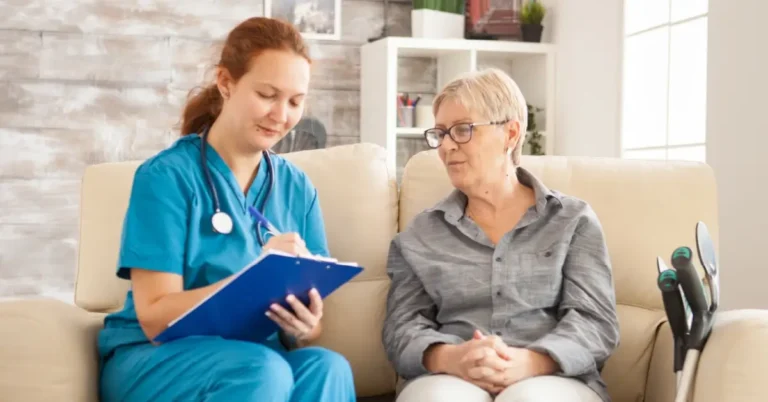
When we receive a patient into rehabilitation, we will often connect with the social worker who supported them in the acute hospital. This conversation may include:
● The psychosocial history gathered during admission
● Family dynamics that may influence recovery
● Financial or employment concerns already identified
● Emotional responses to the diagnosis or injury
● Cultural or spiritual considerations
● Existing community resources or referrals initiated
This information allows us to build on what has already been done rather than re interviewing families about deeply personal and often painful events.
From the patient’s perspective, this reduces the emotional burden of retelling their story repeatedly. From a clinical perspective, it ensures that psychosocial interventions are progressive rather than repetitive.
It also allows rehabilitation planning to begin earlier. If discharge home is likely to be complex, conversations can start in the acute setting already, giving families more time to prepare.
Preventing Duplication of Services
One of the hidden inefficiencies in healthcare is the duplication of assessments and interventions. When professionals work in silos, each service may unknowingly repeat the same process.
This can lead to:
● Assessment fatigue for patients
● Confusion about who is responsible for what
● Delays in implementing practical solutions
● Increased anxiety for families
By communicating directly with hospital social workers, we clarify what has already been addressed and what still requires attention. If a frail care application has been initiated, we do not start it again. If family counselling has begun, we continue it rather than restarting the process.
Starting Early and Preparing for What Comes Next
Often, discharge planning begins the moment a patient is admitted to an acute hospital. The reality is that emotional readiness often lags behind medical stabilisation. A collaborative approach allows psychosocial preparation to begin early.
For example, if a patient is likely to require prolonged rehabilitation after a stroke, spinal injury, or major orthopaedic event, conversations about role changes, caregiver responsibilities, and environmental adaptations can begin before transfer.
This early preparation:
● Reduces unrealistic expectations
● Gives families time to mobilise support
● Identifies potential barriers sooner
● Decreases crisis driven decisions later
When patients arrive at rehabilitation, they are not encountering these realities for the first time. Instead, we are building on groundwork that has already been laid.
Continuity Beyond Rehabilitation
Just as important as the handover into rehabilitation is the handover out of it. For some patients, discharge from rehabilitation is a hopeful transition home. For others, it involves step down care, long term residential placement, or ongoing community based services.
Where indicated and with your consent, we will connect with a social worker in the next setting, whether that is a community clinic, a frail care facility, a private practitioner, or a hospital based team.
This ensures that:
● Critical psychosocial risks are communicated
● Family support needs are clearly articulated
● Pending administrative processes are tracked
● Emotional adjustment remains supported
Continuity of care is intentional.
Professional Relationships as a Clinical Asset
Building strong interprofessional relationships requires trust, ethical clarity, and respect for professional boundaries. Over time, these relationships become a clinical asset.
When social workers across institutions know one another, communication becomes more efficient. There is mutual understanding of standards, expectations, and scope of practice. We can have honest conversations about complex cases. We can advocate collectively when needed.
In a city like Cape Town, where healthcare services span both public and private sectors, these connections are particularly valuable. Patients often move between systems. Without collaboration, gaps can easily emerge. With collaboration, those gaps can be bridged.
Protecting Dignity Through Coordination
There is also a deeply human aspect to this work. Patients in rehabilitation are often adjusting to loss of mobility, independence, employment, or identity. Families may be navigating anticipatory grief, caregiver strain, or financial uncertainty.
When professionals communicate well, patients experience greater coherence in their care. They do not feel like cases being transferred from one department to another. Instead, they feel recognised and understood. Dignity is preserved when services are coordinated.
Ethical and Confidential Practice
Collaboration always takes place within ethical and legal frameworks. Information is shared with appropriate consent and in line with professional standards.
The goal is not to overstep, but to enhance care responsibly.
As social workers, we are guided by principles of confidentiality, informed consent, and client autonomy. Patients remain central to decision making about what information is shared and with whom.
Why This Matters for Rehabilitation Outcomes
Research consistently highlights that psychosocial factors significantly influence rehabilitation outcomes. Motivation, family support, financial stability, mental health, and realistic goal setting all play a role in functional recovery.
When psychosocial support is consistent across settings:
● Anxiety is reduced
● Trust in the healthcare system is strengthened
● Families feel more equipped
● Discharge plans are more sustainable
Rehabilitation is not only about regaining physical strength. It is about rebuilding a life within new parameters. Collaborative social work supports that rebuilding process.
A Shared Commitment to Whole Person Care
At Faircape Health’s rehabilitation unit, the multidisciplinary team works together to optimise physical recovery. As social workers, our contribution focuses on the emotional, relational, and practical dimensions of healing.
By maintaining strong relationships with hospital based and community based social workers, we ensure that care is not fragmented at transition points.
This is not an additional service. It is an integrated one.
It reflects a shared commitment to whole person care, where medical treatment, functional rehabilitation, and psychosocial support move in alignment.
Bridging the Gaps So Patients Can Thrive
At Empowered to Thrive, the philosophy is simple. Individuals and families are not defined by crisis or diagnosis. With the right support, they can adapt, rebuild, and grow.
Collaboration between social workers allows that support to be consistent and intentional. It prevents unnecessary repetition. It promotes early intervention. It strengthens discharge planning. It protects dignity.
Most importantly, it reminds patients and families that they are not navigating this journey alone. Healthcare transitions can feel like falling between the cracks. Our role is to build the bridge.
Juanee Pretoris, Group Social Worker, Faircape Health